


Ndutu Safari Guide
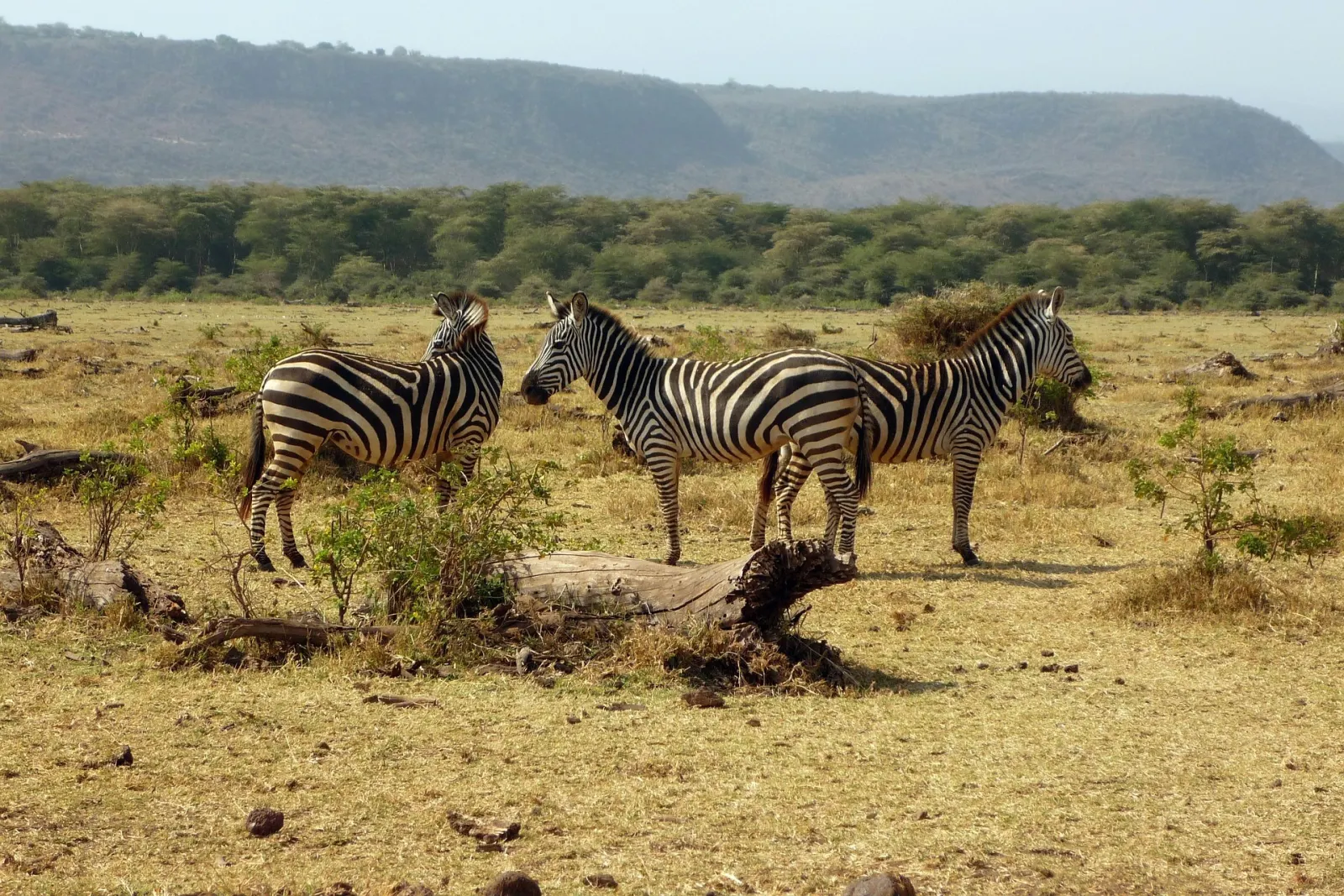
Ndutu lies in the south-western corner of the Ngorongoro Conservation Area, right on the edge of the Serengeti. Its acacia woodlands, marshes, two soda lakes (Ndutu and Masek) and surrounding short-grass plains form one of the most exciting wildlife areas in Tanzania, especially during the calving season of the Great Migration.

The landscapes
The area combines open grasslands with acacia woodland around the lakes, which gives a pleasing variety of scenery. Lake Ndutu and Lake Masek are shallow and alkaline, and flamingos can sometimes be seen when conditions are right. The woodlands provide shade and cover for big cats, especially in the heat of the day.
Big cats in Ndutu
Ndutu is one of the best places in Tanzania to see cheetahs, which thrive on the open plains. Lions are common around the marshes, and leopards occasionally appear in the woodlands. During the calving season, hunts are frequent, and patient travellers are often rewarded with dramatic action.

When to go
The best time to visit is from late January to March, when calving is at its peak. December and early January can also be good, depending on the rains. From April to November the herds move away and many seasonal camps close, although some lodges remain open year-round.
Where to stay
A small number of permanent lodges overlook the lakes, and seasonal mobile camps set up in the area during the calving season. Staying in Ndutu, rather than in the central Serengeti, saves long drives and gives you more time with the herds.
Ndutu and the Ngorongoro Crater
Because Ndutu is part of the Ngorongoro Conservation Area, it is easy to combine with a game drive in the Ngorongoro Crater, which is around two to three hours away by road. Many itineraries spend one day in the crater and three nights in Ndutu.
Sample itinerary
- Day 1: Arrival in Arusha
- Day 2: Lake Manyara or Tarangire
- Day 3: Ngorongoro Crater
- Days 4–6: Ndutu
- Day 7: Fly back to Arusha
See our Ndutu Migration Safari and our calving season guide.
Birdlife around the lakes
The lakes and marshes of Ndutu attract a wide variety of birds, especially during the green season when migratory species arrive. Look out for flamingos, storks, kori bustards, secretary birds and many raptors that follow the herds. Even on quiet days, there is always something to watch.
What to pack
Bring a light rain jacket for afternoon showers, warm layers for early mornings, binoculars, sun protection and plenty of camera storage. A beanbag helps keep your camera steady for long lens shots from the vehicle.
Tips for visiting Ndutu
Plan to spend full days out on the plains, with a picnic lunch, so that you can follow the herds wherever they go. Be patient at predator sightings.
Frequently asked questions
Why visit Ndutu?
From roughly December to March, the migrating herds of wildebeest and zebra gather on the plains around Ndutu to graze and give birth. This attracts large numbers of predators, and sightings of lions, cheetahs, hyenas and jackals are frequent. Even outside the calving season, Ndutu has resident wildlife, including giraffes, elephants and a good variety of birds.
Is Ndutu part of the Serengeti?
Ndutu is in the Ngorongoro Conservation Area, on the border of the Serengeti National Park.
When is the best time to visit Ndutu?
From late January to March, during the calving season.
Can I see cheetahs in Ndutu?
Yes, Ndutu is one of the best places in Tanzania for cheetahs.
How far is Ndutu from the Ngorongoro Crater?
Around two to three hours by road.
Ready to start planning? Tell us your dates and interests and our Arusha team will design a private itinerary for you, or browse our safari itineraries.
Ndutu Safari Guide tours


Zanzibar Culture and Safari, 3 Days
Beach Holiday Book now

Every traveller is different. Let our experts craft a custom itinerary that matches your travel style and expectations.
Let's get started