

Serengeti Calving Season Safari
Every year, between late January and March, the wildebeest herds of the Great Migration gather on the short-grass plains of the southern Serengeti and the Ndutu area of the Ngorongoro Conservation Area to give birth. In a few weeks, hundreds of thousands of calves are born, often thousands in a single day. It is one of the most remarkable wildlife events on earth, and one of the best times of year for predator action.
The calving season is less famous than the river crossings, but many guides consider it the most rewarding time to be in the Serengeti.

Why the herds come to the south
The southern plains sit on volcanic soils rich in minerals such as phosphorus and calcium. After the short rains, the grass that grows here is especially nutritious, which is exactly what pregnant and nursing females need. The open plains also make it easier for the herds to spot approaching predators. Calves can stand within minutes of birth and run with the herd soon afterwards, a vital survival skill.
When to go
Calving usually peaks in February, but the herds are often in the area from December to March. The exact timing depends on the rains, which vary from year to year. We monitor conditions closely and plan routes based on the latest reports from guides in the field. For the best chances, we recommend travelling between late January and early March.
What you will see
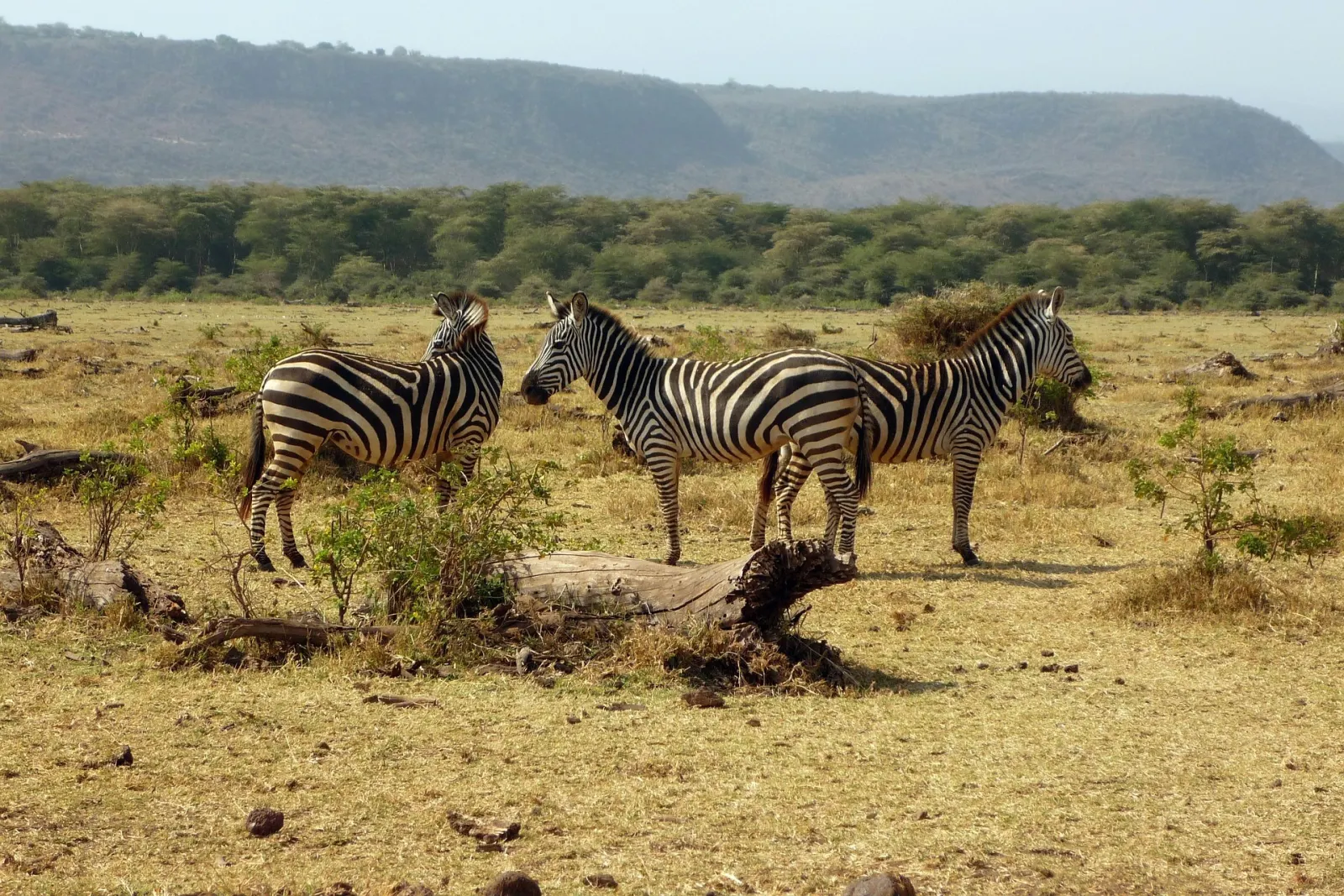
- Vast herds of wildebeest and zebra spread across the plains
- Newborn calves taking their first steps
- Lions, cheetahs, hyenas and jackals hunting the young
- Excellent birdlife, including migratory species from Europe and Asia
- Green landscapes and dramatic skies
Cheetah sightings are particularly good in this area, as the open terrain suits their hunting style. Lions are abundant around the Ndutu woodlands and marshes.

Where to stay
Seasonal mobile camps move to the Ndutu and southern Serengeti area for the calving season, placing you right in the middle of the action. Permanent lodges around Lake Ndutu and Lake Masek are another good option. Staying in the area rather than driving in from the central Serengeti makes a big difference, as the herds can be several hours away from other parts of the park.
Ndutu and off-road driving
Ndutu lies within the Ngorongoro Conservation Area, where rules on off-road driving differ from those in the Serengeti. Your guide will always follow current park regulations. Because the herds spread out across the plains, experienced guides who know the area well are especially valuable at this time of year.
A sample calving season itinerary
- Day 1: Arrival in Arusha
- Day 2: Tarangire National Park
- Day 3: Ngorongoro Crater
- Days 4–6: Ndutu and the southern Serengeti
- Day 7: Central Serengeti
- Day 8: Fly back to Arusha or on to Zanzibar
Our Ndutu Migration Safari is designed for this season and can be adjusted to your dates.
Photography tips
Bring a telephoto lens of at least 300mm for predator action and a wider lens for the sweeping herds. Morning light is soft and golden, and afternoon storms create dramatic backdrops. A private vehicle lets you stay with a sighting for as long as you like.
Frequently asked questions
When is the calving season in the Serengeti?
Usually from late January to March, with a peak in February.
Where does the calving take place?
On the short-grass plains of the southern Serengeti and the Ndutu area of the Ngorongoro Conservation Area.
Is it a good time for predator sightings?
Yes. Lions, cheetahs and hyenas are very active, as the calves are easy prey.
Does it rain during the calving season?
There can be short showers, but there is usually a drier spell in January and February.
Do I need to book early?
Yes. Camps in the Ndutu area are popular and fill up months ahead.
Ready to start planning? Tell us your dates and interests and our Arusha team will design a private itinerary for you, or browse our safari itineraries.
Recommended tours

Marangu Route 6 Days
Kilimanjaro Book now

Kilimanjaro Trekking, 7 Days (Machame Route)
Kilimanjaro Book now



Wildlife Safari, 5 Days
Safari Book now

Romantic Honeymoon Safari, 7 Days
Beach Holiday Book now
Every traveller is different. Let our experts craft a custom itinerary that matches your travel style and expectations.
Let's get started