


Lemosho Route Guide
The Lemosho route is one of the most beautiful and well-balanced ways to climb Kilimanjaro. It starts on the remote western side of the mountain, crosses the entire Shira Plateau and joins the southern circuit for the summit. With eight days on the mountain, it offers excellent acclimatisation and high success rates.

Day-by-day itinerary (8 days)
- Day 1: Londorossi Gate to Mti Mkubwa Camp. A quiet walk through dense rainforest, where you may see colobus monkeys.
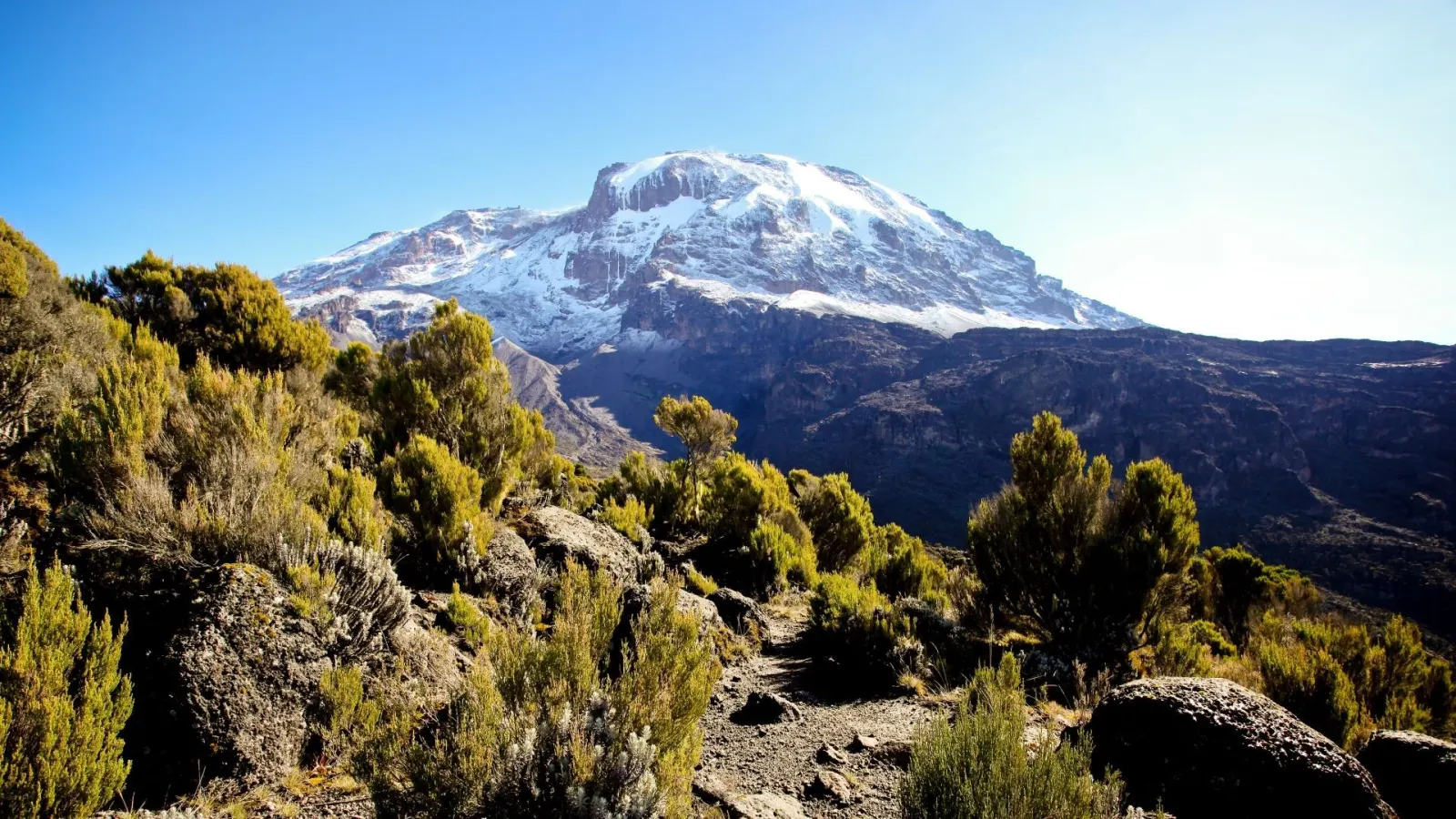
- Day 2: Mti Mkubwa to Shira 1 Camp. Climb out of the forest onto the edge of the Shira Plateau, with the first views of Kibo.
- Day 3: Shira 1 to Shira 2 Camp. An easy day across the plateau, helping you acclimatise.
- Day 4: Shira 2 to Lava Tower and Barranco Camp. Climb high to Lava Tower and sleep lower at Barranco.
- Day 5: Barranco Camp to Karanga Camp. The Barranco Wall scramble, then on to Karanga.
- Day 6: Karanga Camp to Barafu Camp. A short climb to base camp to rest before the summit.
- Day 7: Summit day. A midnight start for Uhuru Peak at sunrise, then descend to Mweka Camp.
- Day 8: Mweka Camp to Mweka Gate. Descend through the forest and celebrate.
Why we love Lemosho
The first two days are very quiet, as fewer climbers start on this side of the mountain. The Shira Plateau is a vast, high-altitude landscape with views across to Mount Meru, and crossing it slowly gives your body time to adapt. By the time you join the busier Machame route, you are well acclimatised.

Difficulty
Lemosho is a moderate climb with no technical sections apart from the Barranco Wall scramble. The longer schedule makes it one of the most comfortable routes for first-time climbers.
Accommodation
Lemosho is a camping route. Our crew sets up sleeping tents and a mess tent with tables and chairs for meals.
Food and water on the mountain
Our cooks prepare fresh, filling meals throughout the climb: porridge, eggs and fruit for breakfast, soups and hot dishes for lunch and dinner, and plenty of snacks. Water is collected from streams and treated before drinking. Special diets can be catered for with notice. Eating well is especially important on a long route like Lemosho, as your energy needs are high at altitude.
Summit night
Summit night is the hardest part of every climb. You leave Barafu Camp around midnight and walk slowly up the steep slope to Stella Point on the crater rim, then along the rim to Uhuru Peak, reaching the summit around sunrise.
When to climb
Lemosho is best in the dry seasons, from late December to early March and from June to October.
Frequently asked questions
Who should choose Lemosho?
Lemosho is ideal for anyone who wants the best balance of scenery, quiet trails and summit success. It suits first-time climbers, photographers and those who want time to enjoy the mountain.
Lemosho or Machame?
Both routes share the same upper sections and summit approach. Lemosho has a quieter start, more time on the Shira Plateau and an extra day for acclimatisation. If you have the time, we recommend Lemosho. Compare all routes in our route guide.
Our 8-day Lemosho climb includes park fees, an experienced crew and transfers.
How long is the Lemosho route?
Around 70 kilometres over seven or eight days.
Is Lemosho better than Machame?
It is quieter at the start and offers better acclimatisation, especially over eight days.
Is Lemosho suitable for beginners?
Yes, it is one of the best routes for first-time climbers.
How busy is Lemosho?
Quiet for the first days; busier once it joins the Machame route.
Thinking about the climb? Send us your dates and our team will recommend the right route, or see all our Kilimanjaro climbs.
Lemosho Route Guide tours

Marangu Route 6 Days
Kilimanjaro Book now

Kilimanjaro Trekking, 7 Days (Machame Route)
Kilimanjaro Book now
Kilimanjaro Trekking, 6 Days (Umbwe Route)
Kilimanjaro Book now


Every traveller is different. Let our experts craft a custom itinerary that matches your travel style and expectations.
Let's get started