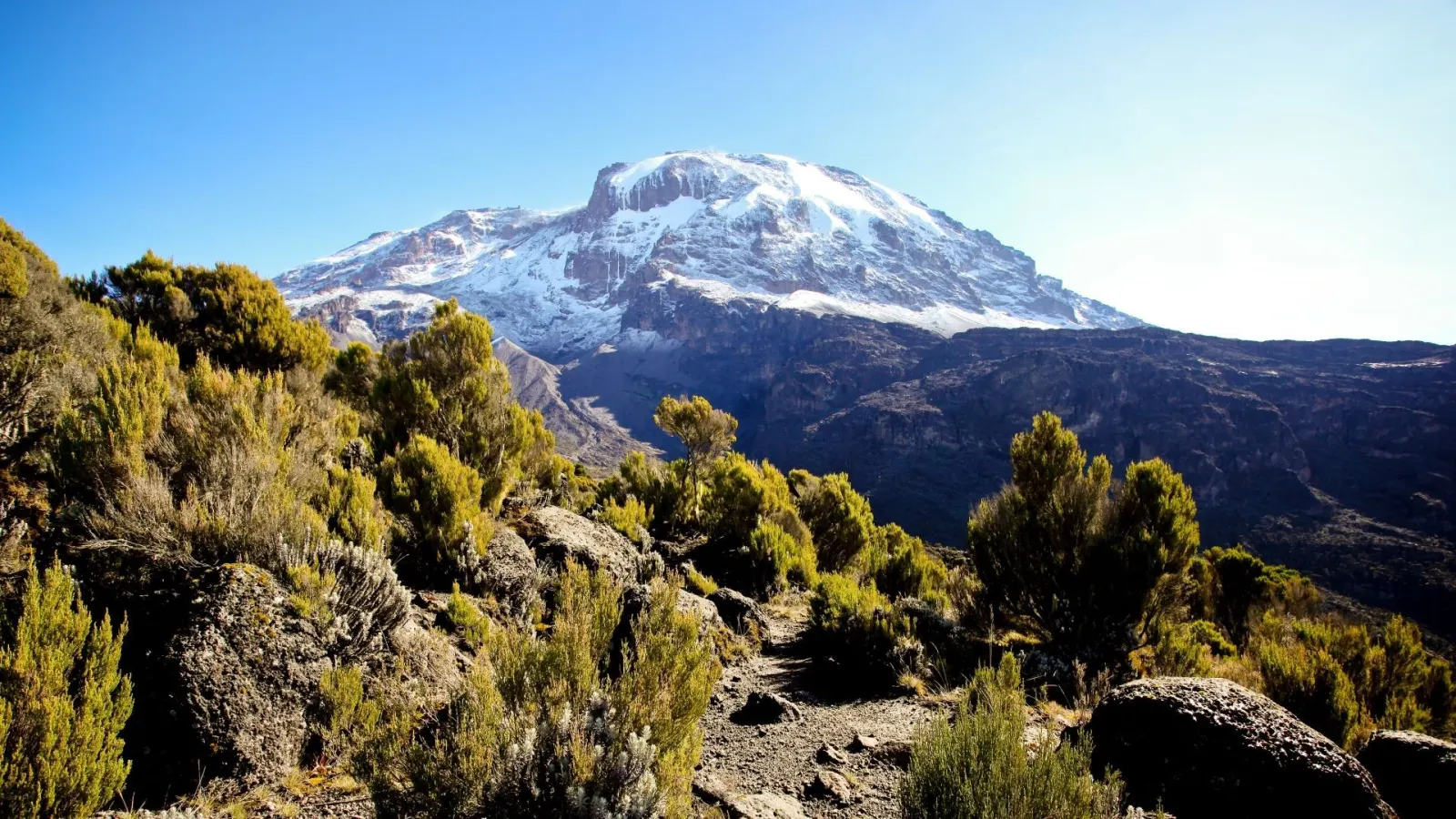
Kilimanjaro Trekking, 7 Days (Machame Route)
Kilimanjaro Book now


You do not need to be an athlete to climb Kilimanjaro, but good preparation makes the climb safer and more enjoyable. The mountain involves several days of walking, often five to seven hours a day, and a long summit night. Training builds the endurance you need and gives you confidence. Always check with your doctor before starting a new exercise programme.

Walk or hike three to four times a week, for 45 to 60 minutes. Add one longer walk at the weekend of two to three hours. Include two short strength sessions focusing on legs and core: squats, lunges, step-ups and planks.
Increase your weekend hike to four or five hours, on hilly terrain if possible, carrying a daypack of five to seven kilograms. Add cardio sessions such as cycling, swimming or stair climbing. Continue strength training twice a week.
Do back-to-back hikes on consecutive days to get used to walking when tired. Wear the boots and clothing you will use on the mountain. If possible, include a long hike at higher altitude or an early-morning start to simulate summit night.
Reduce the intensity and focus on rest, good sleep and nutrition so you arrive feeling fresh.

Summit night is the toughest part of the climb: starting at midnight in the cold and walking slowly for six to eight hours. Mental strength matters as much as physical fitness. Break the climb into small goals, listen to your guides and remember that walking slowly is the key to success.
Break in your boots well before the climb and test your layering system in cold conditions. Practise with your trekking poles and hydration system.
A climb of Mount Meru before Kilimanjaro is an excellent way to prepare for altitude. See our Mount Meru guide and our altitude guide.
Your guides set a slow, steady pace. Drink plenty of water, eat well and rest whenever you can. Our crews have helped climbers of all ages and backgrounds reach the summit.
Training is only part of preparation. Eat a balanced diet, sleep well and allow your body to recover between hard sessions. In the weeks before the climb, avoid overtraining and listen to any niggles or injuries. Arriving healthy and rested is more important than one extra long hike.
If you do not live near hills, stair climbing, incline treadmill walking and step-ups with a backpack are good alternatives.
Climbers in their fifties, sixties and beyond reach the summit every year. If this is you, start training earlier, build up gradually and focus on regular, steady hiking rather than intense workouts. Speak to your doctor about any health conditions and medication, and choose a longer route that allows a slower pace. Our guides are experienced at supporting climbers of all ages.
The best preparation is hiking: walking for several hours on uneven ground, with ascents and descents, while carrying a daypack. Cardiovascular fitness and leg strength help, but remember that fitness does not prevent altitude sickness. Choosing a longer route is equally important.
Yes, with good preparation and a longer route.
Ideally eight to twelve weeks.
Hiking with a daypack on hilly terrain.
No, the standard routes are non-technical.
Thinking about the climb? Send us your dates and our team will recommend the right route, or see all our Kilimanjaro climbs.

Every traveller is different. Let our experts craft a custom itinerary that matches your travel style and expectations.
Let's get started