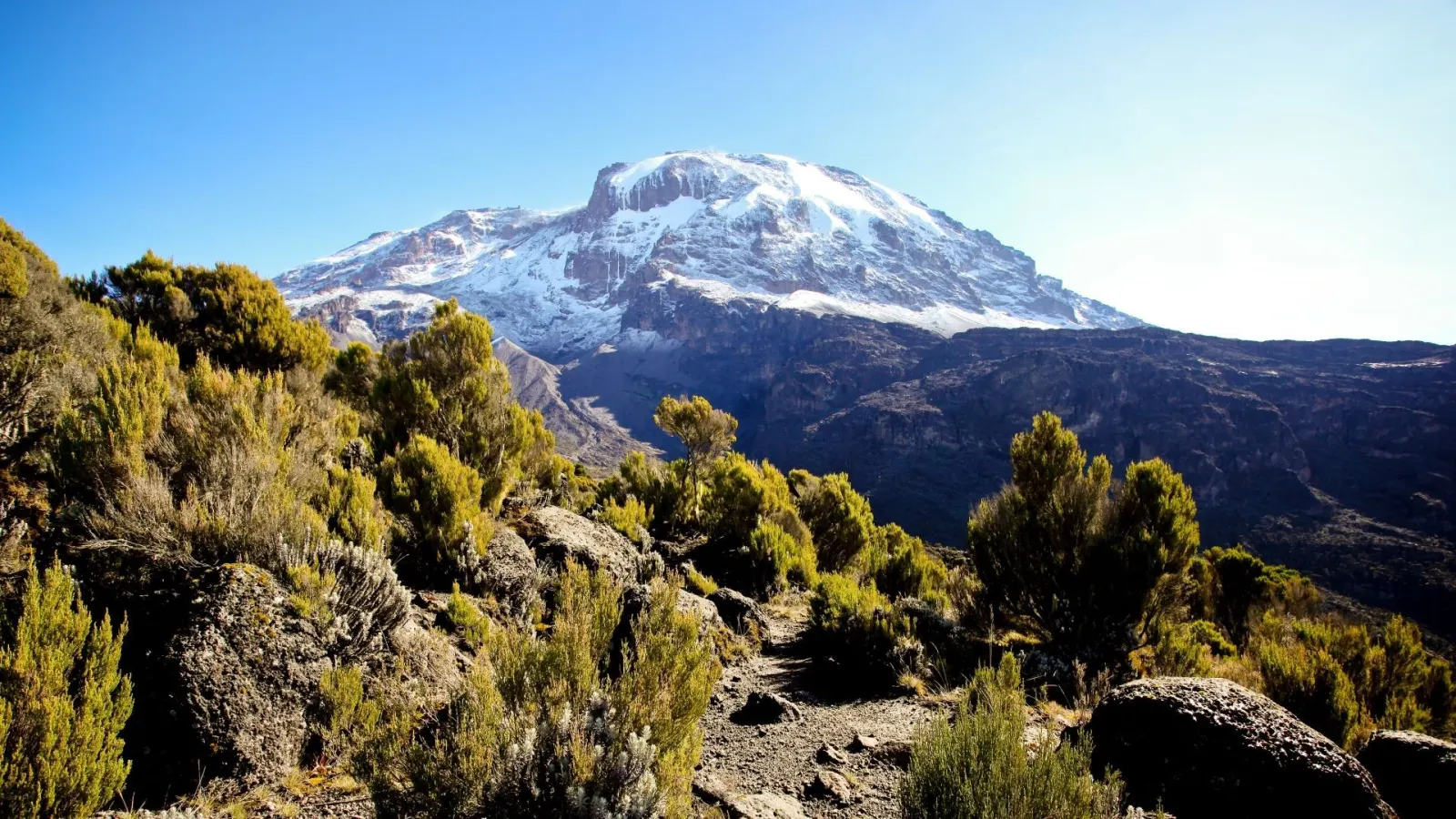
Kilimanjaro Trekking, 7 Days (Machame Route)
Kilimanjaro Book now

Altitude is the biggest challenge on Kilimanjaro. At 5,895 metres, Uhuru Peak has roughly half the oxygen available at sea level. Most climbers feel some effects of altitude, and understanding them is the key to a safe and successful climb. This guide is for general information only; always speak to your doctor before travelling.


Some climbers take medication to help with acclimatisation, prescribed by their doctor. Discuss this with a medical professional familiar with high-altitude travel before your trip, as medication may not be suitable for everyone.
Our guides are trained in mountain first aid and check each climber regularly, including measuring oxygen saturation and pulse with a pulse oximeter. They will ask how you feel and watch for warning signs. If symptoms become serious, the response is always to descend. Emergency oxygen is carried on our climbs, and evacuation plans are in place.
Climbing Mount Meru before Kilimanjaro is a great way to pre-acclimatise. Read our Mount Meru guide.
Each evening, your guide will check your oxygen levels and pulse and ask a few questions about headache, appetite, sleep and how you feel. Be honest: hiding symptoms makes it harder for the team to keep you safe. Mild symptoms are normal, and your guides have seen them many times. What matters is how they develop over time.
Many climbers find sleep difficult at altitude and may notice irregular breathing at night. This is common. Keep warm, stay hydrated and rest during the afternoon to recover.
Symptoms usually improve quickly as you descend. Most climbers feel much better after reaching the lower camps.
Make sure your travel insurance covers trekking up to 6,000 metres and includes emergency evacuation. Check the policy wording carefully, as some standard policies exclude high-altitude activities. Carry a copy of your policy details on the climb.
Acute mountain sickness (AMS) happens when your body does not adapt quickly enough to lower oxygen levels. Common symptoms include headache, nausea, loss of appetite, tiredness, dizziness and difficulty sleeping. Mild symptoms are common and often improve with rest and hydration.
In rare cases, altitude sickness can develop into more serious conditions affecting the lungs (HAPE) or brain (HACE). Signs include breathlessness at rest, a persistent cough, confusion, loss of coordination and severe headache. These require immediate descent and medical attention.
Altitude sickness can affect anyone, regardless of age or fitness. Being fit helps you enjoy the climb, but it does not protect you from altitude. The most important factor is the speed of ascent.
Many climbers experience mild symptoms. Longer routes reduce the risk.
Yes, fitness does not prevent altitude sickness.
Your guide will assess you, and if necessary you will descend with a crew member.
Lemosho in eight days and the Northern Circuit in nine days.
Thinking about the climb? Send us your dates and our team will recommend the right route, or see all our Kilimanjaro climbs.

Every traveller is different. Let our experts craft a custom itinerary that matches your travel style and expectations.
Let's get started