
Green Season Safari in Tanzania
Many travellers assume the dry season is the only good time for a safari. In reality, Tanzania's green season, roughly from November to May, has a lot to offer: lush landscapes, newborn animals, excellent birdlife, quiet parks and attractive rates. With the right planning, it can be one of the most rewarding times to travel.
The green season covers two rainy periods: the short rains in November and December, and the long rains from March to May. January and February usually bring a drier break in between.

What the weather is really like
Rain in Tanzania rarely falls all day. During the short rains, showers are typically brief and often come in the afternoon. The long rains in April and May are heavier and more frequent, and some roads can become muddy. Temperatures stay pleasant throughout, and the air is clear and dust-free after the rain.
Wildlife in the green season
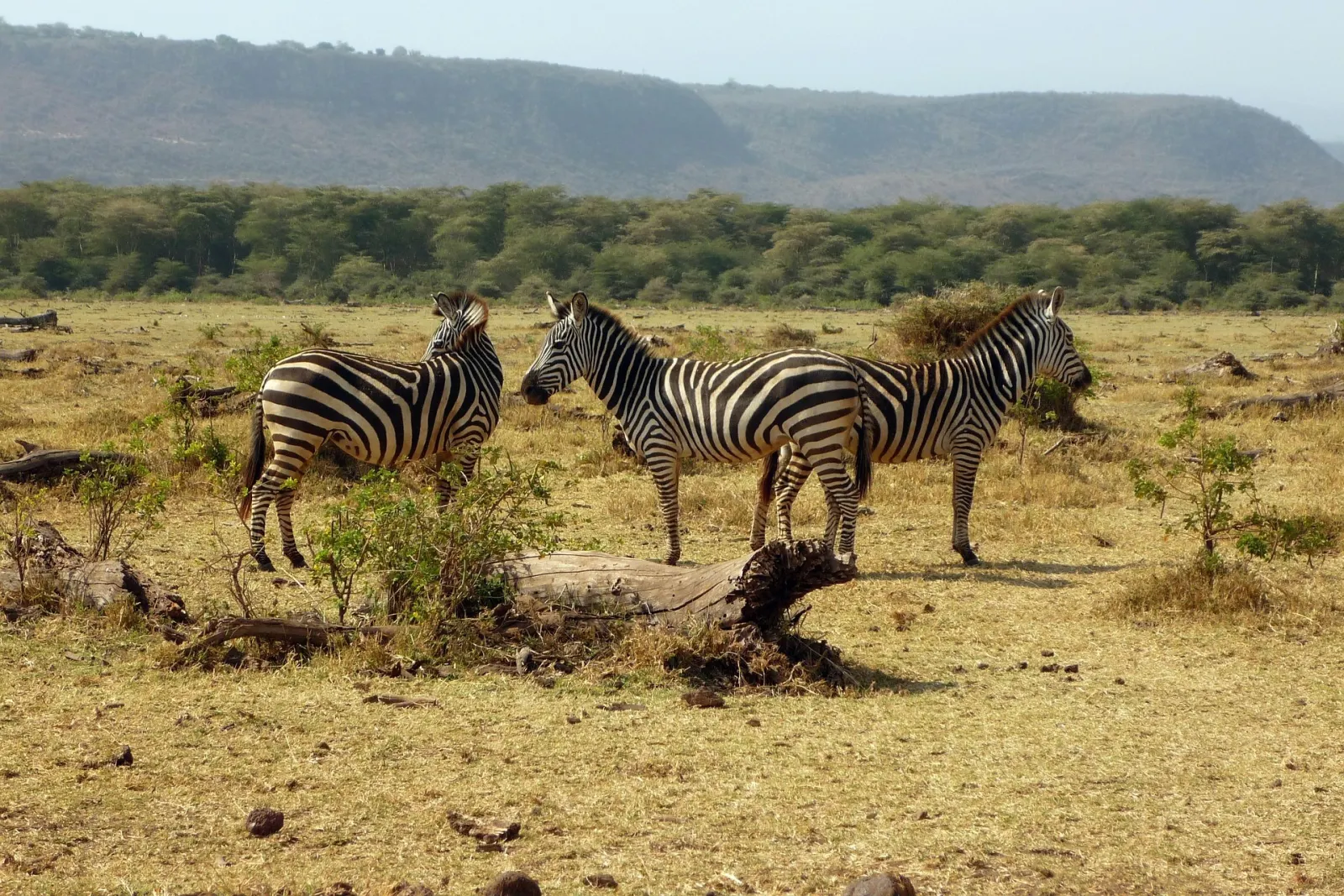
Resident wildlife stays in the parks all year, so you will still see elephants, lions, buffalo, giraffes and much more. The Great Migration spends the green season in the southern Serengeti, where calving takes place from late January to March. Many other species also give birth during this time, and predators are active. Animals can be a little more spread out in the long grass, but experienced guides know where to find them.
Birdwatching
From November to April, migratory birds arrive from Europe and Asia, and many resident species are in breeding plumage. Lake Manyara, Tarangire and the Ngorongoro highlands are all excellent for birding at this time of year.

Prices and crowds
Many lodges and camps offer reduced green-season rates, especially in April and May. Parks are noticeably quieter, so you often have sightings to yourself. This makes the green season a great choice for travellers on a budget, photographers and anyone who prefers a more peaceful experience.
Where to go
- Southern Serengeti and Ndutu: the herds and the calving season
- Ngorongoro Crater: reliable wildlife year-round
- Lake Manyara: lush forests, birds and waterfalls
- Tarangire: quiet and beautiful, with fewer elephants than in the dry season
Read more in our guides to the calving season and a safari in April.
Things to consider
Some seasonal camps close in April and May, and a few roads and tracks can be difficult after heavy rain. Kilimanjaro is wetter and less suitable for climbing in April and May, and Zanzibar has its main rainy season at the same time. A private vehicle and a flexible itinerary help you make the most of the weather.
What to pack
A lightweight waterproof jacket, quick-dry clothing, a warm layer for the highlands, insect repellent and a dry bag for your camera.
Photography in the green season
Many professional photographers prefer the green season. Rain clears the dust from the air, storm clouds build dramatic skies and the vivid green grass makes animals stand out beautifully. Light after a shower is often spectacular. Protect your gear with a rain cover and keep a cloth handy to wipe lenses.
Frequently asked questions
Is the green season a good time for a safari?
Yes, especially for travellers who value quiet parks, lower rates and lush scenery.
Does it rain every day?
Not usually. Showers tend to be short, often in the afternoon.
Which months are the wettest?
April and May are generally the wettest months.
Is malaria more common in the rainy season?
Mosquitoes are more common in wet months, so speak to your doctor about prevention and use repellent.
Are roads passable in the green season?
Main routes stay open; some smaller tracks may be muddy after heavy rain.
Ready to start planning? Tell us your dates and interests and our Arusha team will design a private itinerary for you, or browse our safari itineraries.
Recommended tours


Zanzibar Culture and Safari, 3 Days
Beach Holiday Book now


Every traveller is different. Let our experts craft a custom itinerary that matches your travel style and expectations.
Let's get started