
Kilimanjaro Trekking, 7 Days (Machame Route)
Kilimanjaro Book now

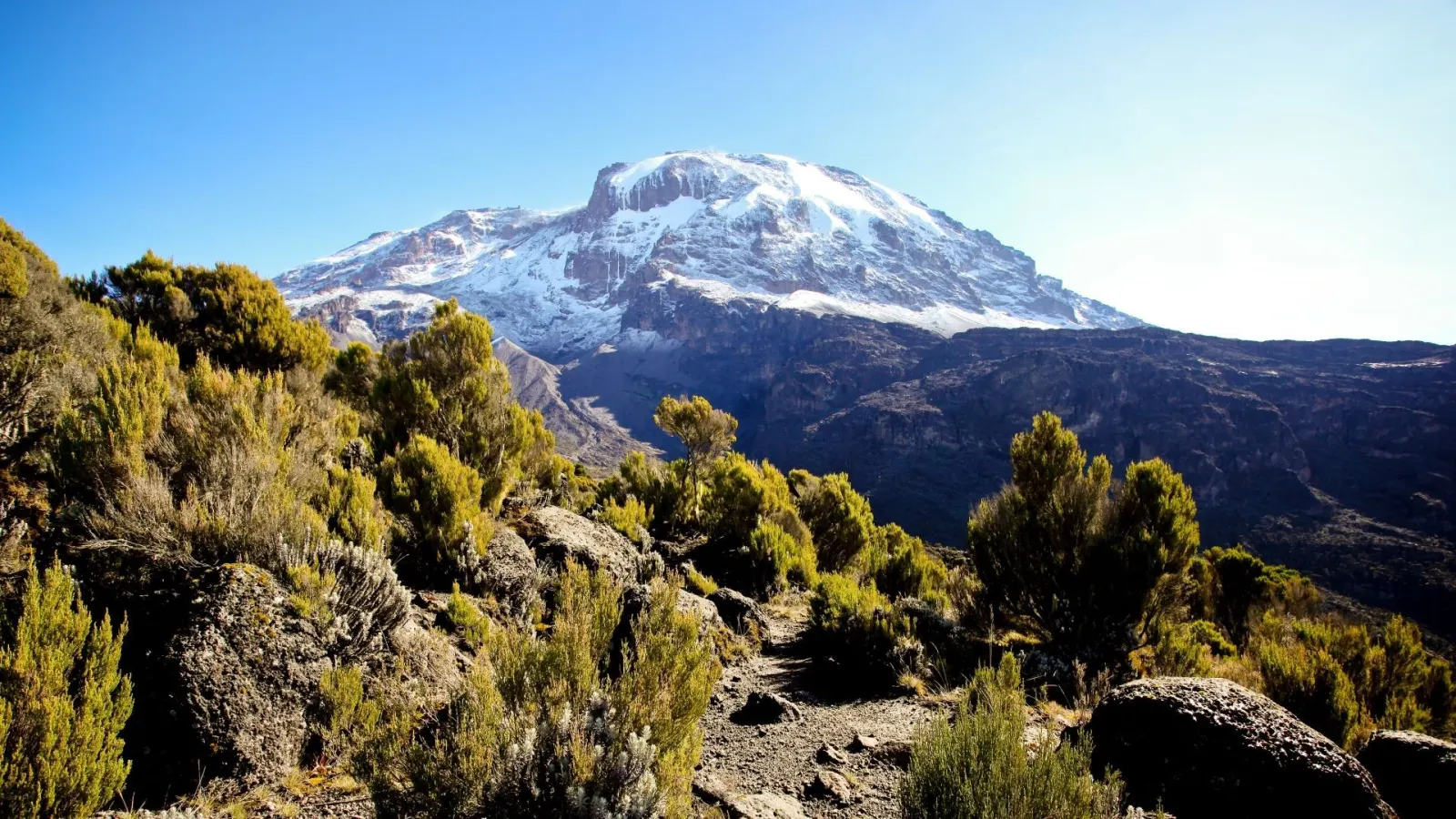
Kilimanjaro can be climbed all year round, but the weather has a big effect on your experience and your chances of reaching the summit. Africa's highest mountain, at 5,895 metres, sits close to the equator, so seasons are defined by rainfall rather than temperature. Here is how the year breaks down.

The best times to climb are the two dry seasons. The first runs from late December to early March. Conditions are generally clear and dry, though it can be colder on the summit and snow is possible. January and February are popular and slightly quieter than the main season.
The second, longer dry season runs from late June to October. This is the most popular period, with stable weather, clear skies and good views. July, August and September are the busiest months on the mountain.
The long rains usually fall from late March to May. Trails become muddy, clouds often hide the views, and the upper mountain may receive heavy snow. Fewer people climb, and some operators do not run climbs in April. The short rains in November bring afternoon showers but are less intense, and climbing is still possible with good rain gear.

| Months | Conditions | Our view |
|---|---|---|
| January–February | Mostly dry and clear, colder at the top | Excellent |
| March | Becoming wetter | Fair |
| April–May | Long rains, muddy trails | Not recommended |
| June | Drying out, cold nights | Very good |
| July–September | Dry and stable, busiest period | Excellent |
| October | Dry, quieter | Very good |
| November | Short rains | Fair |
| December | Drying out, busy over holidays | Very good |
Many climbers like to time their summit night with a full moon. The moonlight illuminates the trail and the glaciers, and you may not need a headlamp for parts of the climb. Full-moon dates are popular, so book early if this matters to you.
The dry seasons are also great for safaris and for Zanzibar, so it is easy to add a few days in the parks or on the coast after your climb.
Because Kilimanjaro rises through several climate zones, temperatures vary enormously during a climb. In the rainforest at the start, days are warm and humid. On the upper slopes, nights are cold, and on summit night temperatures can fall well below freezing, with strong winds adding to the chill. Whatever the season, you will need warm layers and a good sleeping bag.
If you want quieter trails, climb in early June, October or early March, and choose a less popular route such as Rongai, Lemosho or the Northern Circuit.
For the most popular months and full-moon dates, we recommend booking at least three to six months in advance to secure your preferred dates.
In the wetter months, the Rongai route, which approaches from the drier northern side, is a good choice. In the dry seasons, longer routes such as Lemosho and the Northern Circuit offer excellent acclimatisation and fewer crowds. See our route comparison for details.
January, February and July to September are generally the best months.
Yes, but conditions are more challenging. We recommend avoiding April and May if possible.
Summit temperatures can be colder in January and February, so bring good warm layers.
Outside July, August and the Christmas holidays, especially in early June, October and early March.
Thinking about the climb? Send us your dates and our team will recommend the right route, or see all our Kilimanjaro climbs.



Every traveller is different. Let our experts craft a custom itinerary that matches your travel style and expectations.
Let's get started