


Walking Safari in Tanzania
Stepping out of the vehicle and walking through the bush changes how you see Africa. You start to notice tracks in the sand, the alarm call of a bird, the smell of wild sage and the small creatures that are invisible from a car. A walking safari is about connection and detail rather than distance.
Walks are led by armed park rangers and experienced guides, and they can be added to most Tanzania itineraries.

Where you can walk
- Tarangire: guided walks in permitted areas near the park, often among baobabs
- Arusha National Park: walks among giraffes and buffalo with views of Mount Meru
- Ngorongoro highlands: hikes to Empakaai and Olmoti craters
- Lake Natron: walks to waterfalls and the soda flats
- Southern parks: Nyerere and Ruaha are known for longer bush walks
What to expect
Most walks last two to three hours and start early in the morning, when it is cooler and animals are active. You walk in single file behind the ranger, stop often to look at tracks, plants and insects, and keep a safe distance from larger animals. It is not a strenuous hike — it is a slow, attentive walk.
Combine walking with game drives
A walking morning works beautifully alongside classic game drives. Our Tarangire walking safari is a short example, and we can add walks to longer itineraries in the north or south.

What to wear
Wear neutral colours (khaki, olive, brown), comfortable closed walking shoes, long trousers to protect against thorns, a hat and sunscreen. Avoid bright white and very dark blue or black, which can attract tsetse flies in some areas.
Sample itinerary
- Day 1: Arrive in Arusha
- Day 2: Arusha National Park walking safari with views of Mount Meru
- Days 3–4: Tarangire with a morning bush walk
- Day 5: Ngorongoro highlands and a hike to Empakaai Crater
- Day 6: Lake Natron waterfall walk
- Day 7: Return to Arusha
How we plan it
We combine walking with classic game drives so you experience both perspectives. Walks are always booked with authorised rangers and guides, and we plan the route around the season, the heat and your fitness level.
What to expect on foot
Walking safaris move at a gentle pace, usually two to four hours in the cooler early morning. An armed ranger leads the group, followed by your guide, and walkers stay in single file and keep quiet. The focus is on the small details you miss from a vehicle: tracks in the sand, dung beetles at work, medicinal plants and the calls of birds. Larger animals are watched from a respectful distance. Good walking shoes, neutral-coloured clothing, a hat and water are all you need. Walks are suitable for most reasonably fit adults and older children, depending on park rules.
Frequently asked questions
Is a walking safari safe?
Walks follow strict safety rules and are led by trained armed rangers who know animal behaviour well. Listening to your guide and staying in line is key.
Is there a minimum age?
Most walking activities have a minimum age, often around 12 to 16 years. We check the rules for each area when planning a family trip.
How fit do I need to be?
A normal level of fitness is enough. The pace is slow and there are many stops.
Can I do a multi-day walking safari?
Yes, in some areas. Ask us about longer walking itineraries in the southern parks or the Ngorongoro highlands.
What will I see on a walking safari?
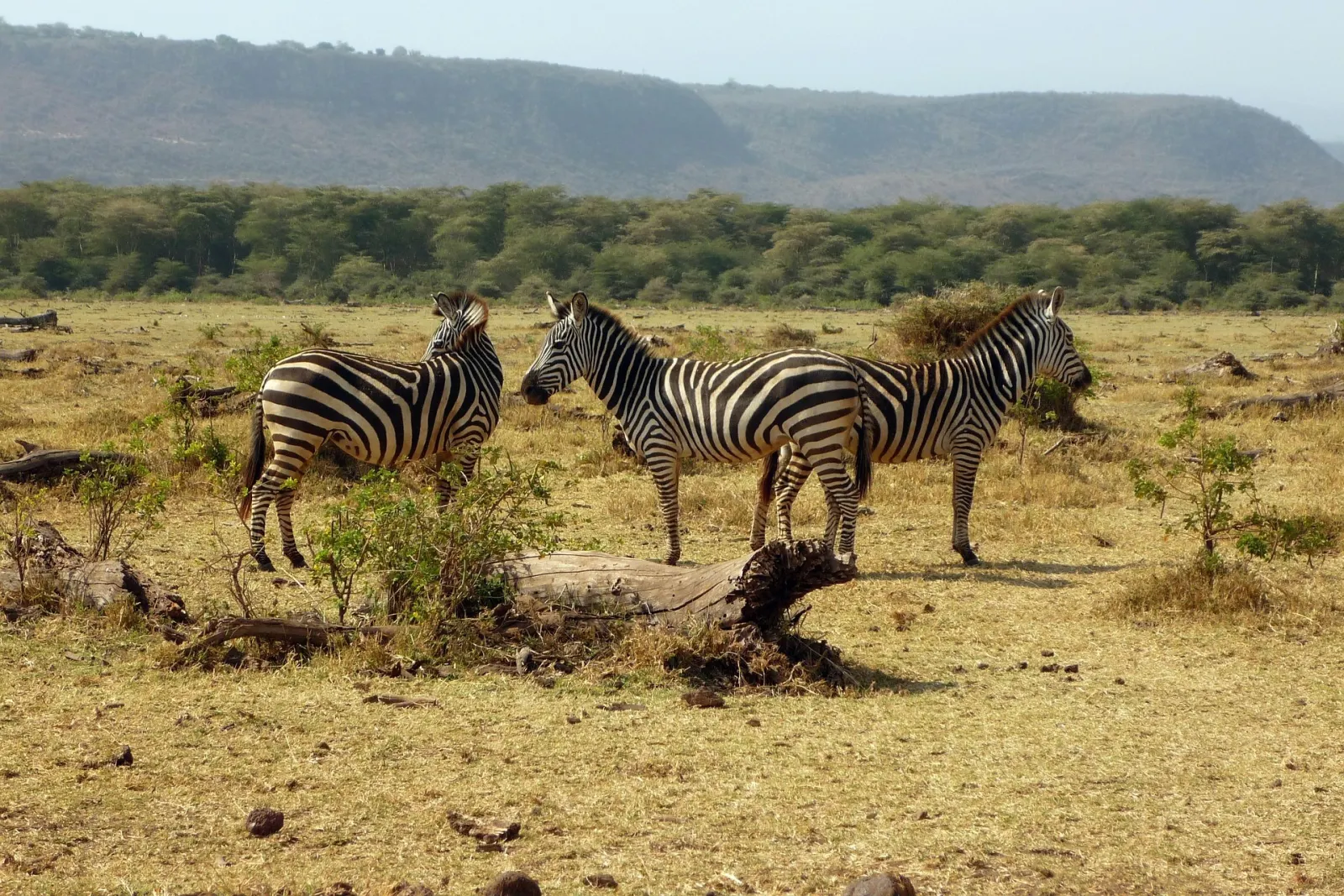
Mostly tracks, birds, insects, plants and plains game such as zebra, giraffe and antelope. Encounters with larger animals are kept at a safe distance.
Can I walk in the Serengeti?
Walking is restricted in much of the Serengeti, but there are designated areas and nearby concessions where guided walks are possible.
Add a walking safari to your trip — our team will suggest the best place for your dates.
Recommended tours


Zanzibar Culture and Safari, 3 Days
Beach Holiday Book now


Every traveller is different. Let our experts craft a custom itinerary that matches your travel style and expectations.
Let's get started