
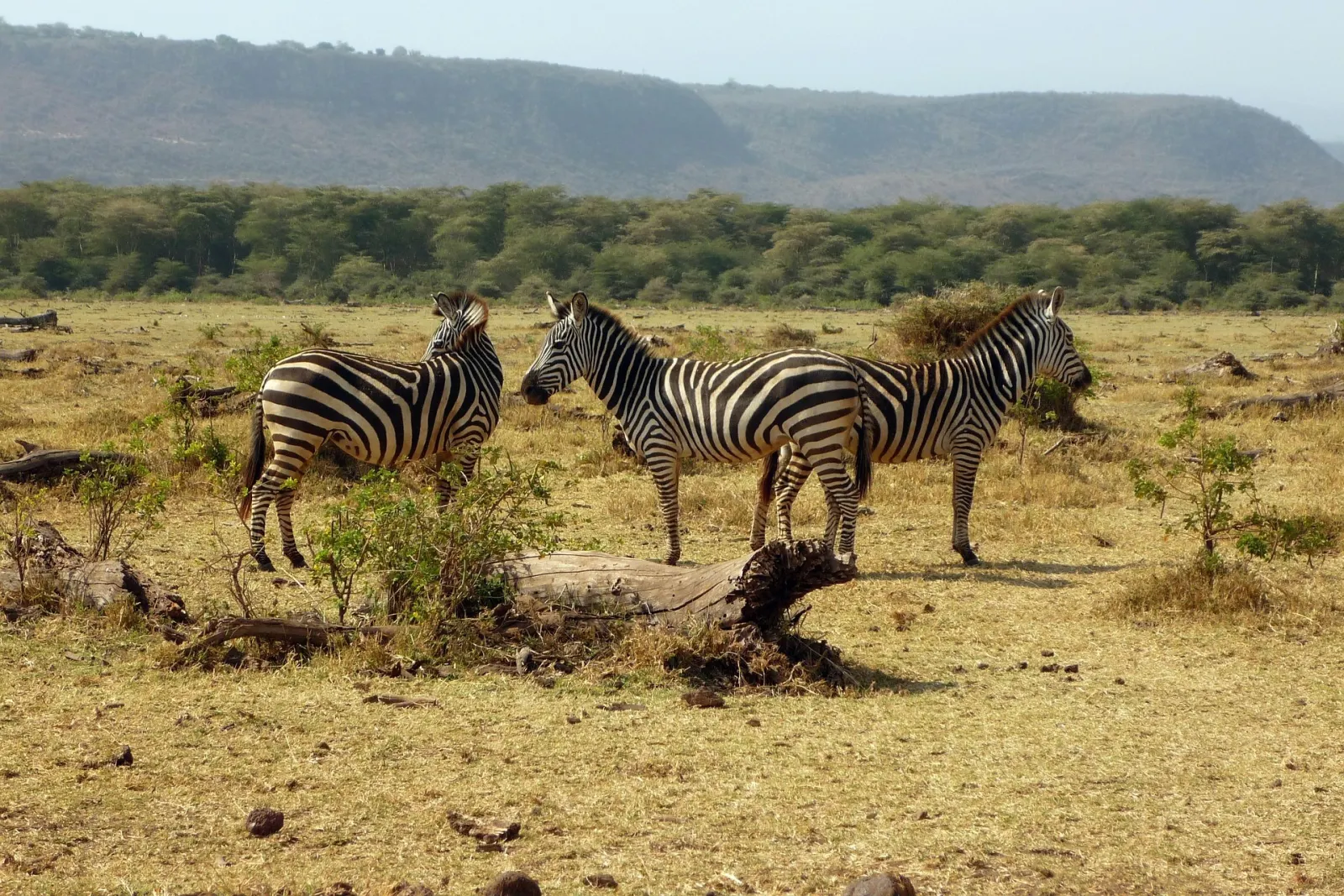

Photography Safari in Tanzania
Tanzania is one of the most rewarding places on earth for wildlife photography. Golden light over the Serengeti plains, dust rising behind a running herd, a leopard draped over an acacia branch — the opportunities are endless if you have the time and positioning to make the most of them.
A photography safari is less about seeing everything and more about waiting, watching and being in the right place when the light is perfect.

Best parks for photographers
- Serengeti: big cats, the Great Migration and wide open landscapes
- Ngorongoro Crater: dense wildlife in a dramatic setting
- Tarangire: elephants among giant baobabs, especially in the dry season
- Lake Manyara and Lake Natron: flamingos and birdlife
Choosing the season
The dry season (June to October) offers clear skies, animals gathered around water and dramatic river crossings in the northern Serengeti. The green season brings vibrant colours, newborn animals, dramatic storm clouds and fewer vehicles. Calving season in the southern Serengeti (around January to March) is outstanding for predator action.
Why a private vehicle is essential
With your own vehicle you can head out before sunrise, stay until the last light and position the vehicle for the best angle. Your guide learns what you are looking for and will wait patiently for behaviour, not just tick off species. Bean bags for supporting long lenses can be provided.

Recommended gear
A telephoto zoom in the 100–400mm or 150–600mm range covers most wildlife situations, while a wide-angle lens is useful for landscapes and environmental portraits. Bring plenty of memory cards, spare batteries, a car charger, a dust blower and a cover to protect gear from dust on the roads. A second body saves lens changes in dusty conditions.
Respecting wildlife
Good wildlife photography always puts the animal first. Our guides keep a respectful distance, stay on permitted tracks and never chase or crowd animals for a picture.
Sample itinerary
- Day 1: Arrive in Arusha; gear check and briefing
- Days 2–3: Tarangire — elephants and baobabs in golden light
- Day 4: Ngorongoro Crater at first light
- Days 5–8: Serengeti — two areas chosen for the season (calving plains or northern crossings)
- Day 9: Fly back to Arusha
How we plan it
For photographers we allocate experienced guides who understand light, angles and animal behaviour. We plan longer stays in fewer places, early departures with packed breakfasts, and flexible days so you can return to a promising sighting. Tell us your equipment and we will make sure the vehicle is set up for it.
Light, timing and patience
The best light in Tanzania comes in the first two hours after sunrise and the last two hours before sunset, so we plan game drives around these windows and keep midday for rest and editing. A private vehicle lets you wait at a sighting for as long as you need, which often makes the difference between a good shot and a great one. Bring spare batteries and memory cards, a cleaning kit for dust and a beanbag for stable shooting from the vehicle. Your guide can position the vehicle with the sun and the background in mind.
Frequently asked questions
Can I use a drone on safari?
Drones are generally not permitted in Tanzania's national parks without special permits. Please speak to us before bringing one.
How many days do I need?
We recommend at least seven to ten days, with several nights in the same area so you can return to sightings at different times of day.
Can I charge my batteries on safari?
Yes. Our vehicles have charging points, and lodges and camps offer charging in rooms or the main area.
Is the Ngorongoro Crater good for photography?
Yes, especially in the early morning when the light is soft and the crater floor is quieter.
Which month is best for big cat photography?
January to March in the southern Serengeti and July to October in the central and northern Serengeti are excellent.
Do you provide bean bags or window mounts?
Bean bags are available on request, and our vehicles have open sides and pop-up roofs for flexible shooting angles.
Tell us what you want to photograph and we will build a route and schedule around the light.
Recommended tours


Zanzibar Culture and Safari, 3 Days
Beach Holiday Book now


Every traveller is different. Let our experts craft a custom itinerary that matches your travel style and expectations.
Let's get started