
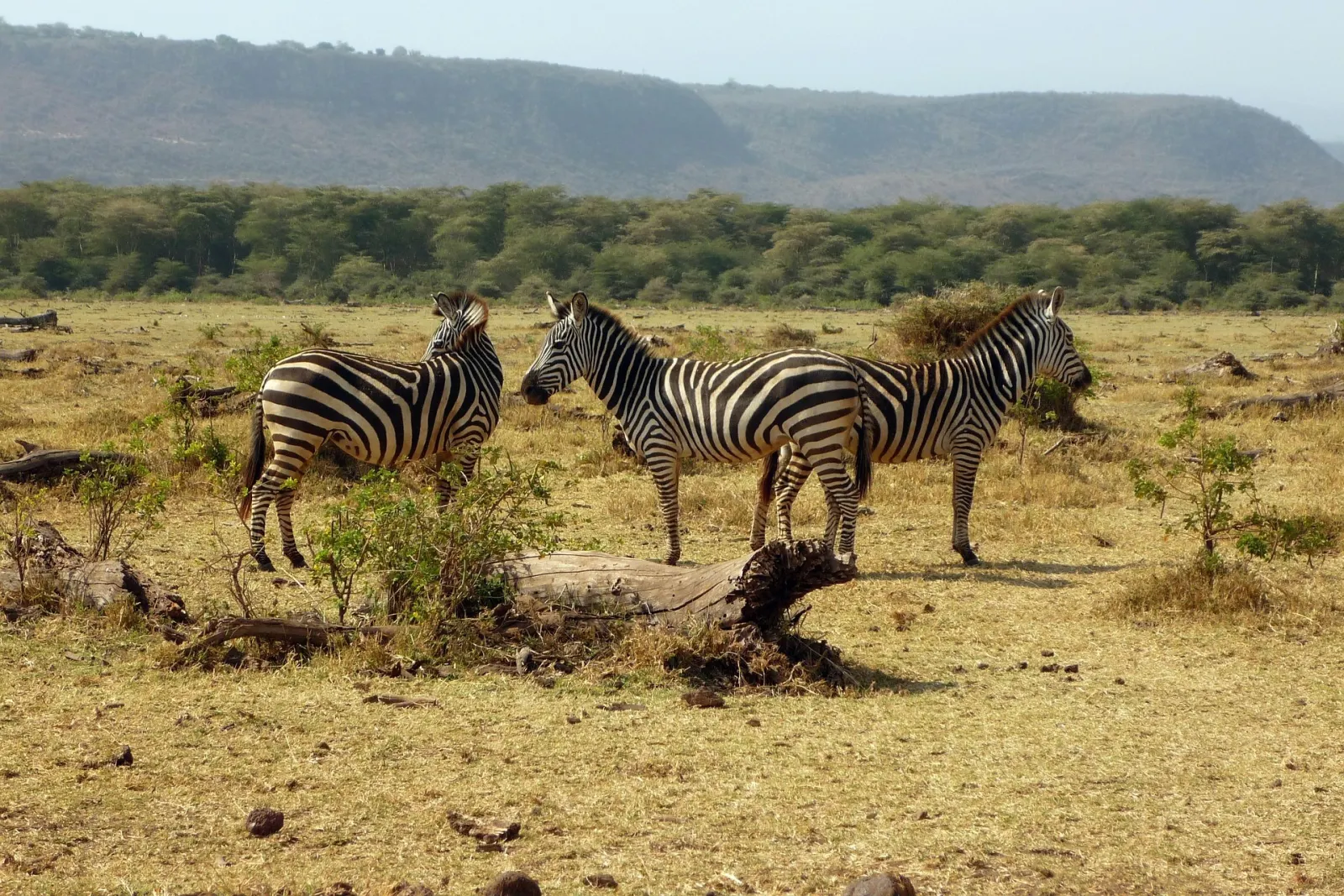

Your First Safari in Tanzania
Planning your first safari can feel overwhelming: which parks, how many days, what kind of lodge, what to pack? The good news is that Tanzania is one of the easiest and most rewarding countries for a first safari, with spectacular wildlife in parks that are close to each other.
This guide explains what to expect so you can plan with confidence.

A typical safari day
Days usually start early with coffee and a game drive at sunrise, when animals are most active. You may return to the lodge for breakfast or enjoy a picnic in the park. Midday is often quieter, with time to relax at the lodge, before an afternoon drive until sunset. Evenings are for dinner, stories and the sounds of the bush.
Choosing your parks
- Tarangire: large elephant herds and baobab trees
- Lake Manyara: forests, baboons and birdlife on the way to Ngorongoro
- Ngorongoro Crater: a natural amphitheatre with dense wildlife
- Serengeti: the famous plains, big cats and the Great Migration
Five to seven days lets you see all four comfortably. Our Northern Tanzania Safari is a popular first itinerary.
Lodges, camps and comfort
Tented camps have proper beds, en-suite bathrooms and hot showers — they feel adventurous without being uncomfortable. Lodges are built with solid walls and often have pools. Both are safe and staffed around the clock.

What to pack
Neutral-coloured clothing, a warm fleece for early mornings, a sunhat, sunglasses, sunscreen, insect repellent, binoculars and a camera with a zoom lens. Soft-sided bags are easier to fit in safari vehicles and light aircraft. See our full safari packing list.
Sample itinerary
- Day 1: Arrive at Kilimanjaro Airport; transfer to Arusha
- Day 2: Tarangire National Park
- Day 3: Lake Manyara and the Ngorongoro highlands
- Days 4–5: Serengeti National Park
- Day 6: Ngorongoro Crater
- Day 7: Return to Arusha or fly to Zanzibar
How we plan it
First-time travellers receive a detailed pre-departure pack with packing tips, health advice and what to expect each day. Our guides explain everything along the way, and our Arusha office is on call throughout your trip.
A typical day on safari
Most days begin with an early wake-up call, coffee and a morning game drive while the animals are most active. You return to camp for a late breakfast or continue with a picnic, then rest through the heat of midday. The afternoon drive starts around four and lasts until sunset, when the light is soft and predators begin to stir. Evenings are spent around the campfire and at dinner, sharing the day's sightings. Your guide adapts this rhythm to your energy and interests, so there is always time to relax as well as explore.
Frequently asked questions
Will I see the Big Five?
Lions, elephants and buffaloes are seen on most northern circuit safaris. Leopards and rhinos are harder to find, but the Serengeti and Ngorongoro Crater give you good chances.
Is a safari safe?
Yes. Your guide knows animal behaviour well, and simple rules — staying in the vehicle during drives, not walking alone at camps at night — keep you safe.
How much walking is involved?
Very little on a standard safari. Most wildlife viewing happens from the vehicle, though walks can be added.
Do I need a visa?
Most visitors need a visa for Tanzania. Read our Tanzania visa guide for details.
How early do game drives start?
Usually around sunrise, between 6 and 7 am. Early starts give the best light and wildlife activity.
Will I have phone signal on safari?
Coverage is available in many areas but not everywhere. Most lodges have Wi-Fi in the main area.
Ready for your first safari? Tell us your dates and we will guide you through every step.
Recommended tours


Zanzibar Culture and Safari, 3 Days
Beach Holiday Book now


Every traveller is different. Let our experts craft a custom itinerary that matches your travel style and expectations.
Let's get started