
Dry Season Safari in Tanzania
Tanzania's long dry season runs from about June to October. Rain is rare, the grass is short and animals gather around rivers and waterholes, which makes them much easier to find. For many travellers, this is the classic time for a safari, and it coincides with the dramatic Mara River crossings of the Great Migration in the northern Serengeti.
It is also the busiest time of year, so planning ahead is important.

Weather
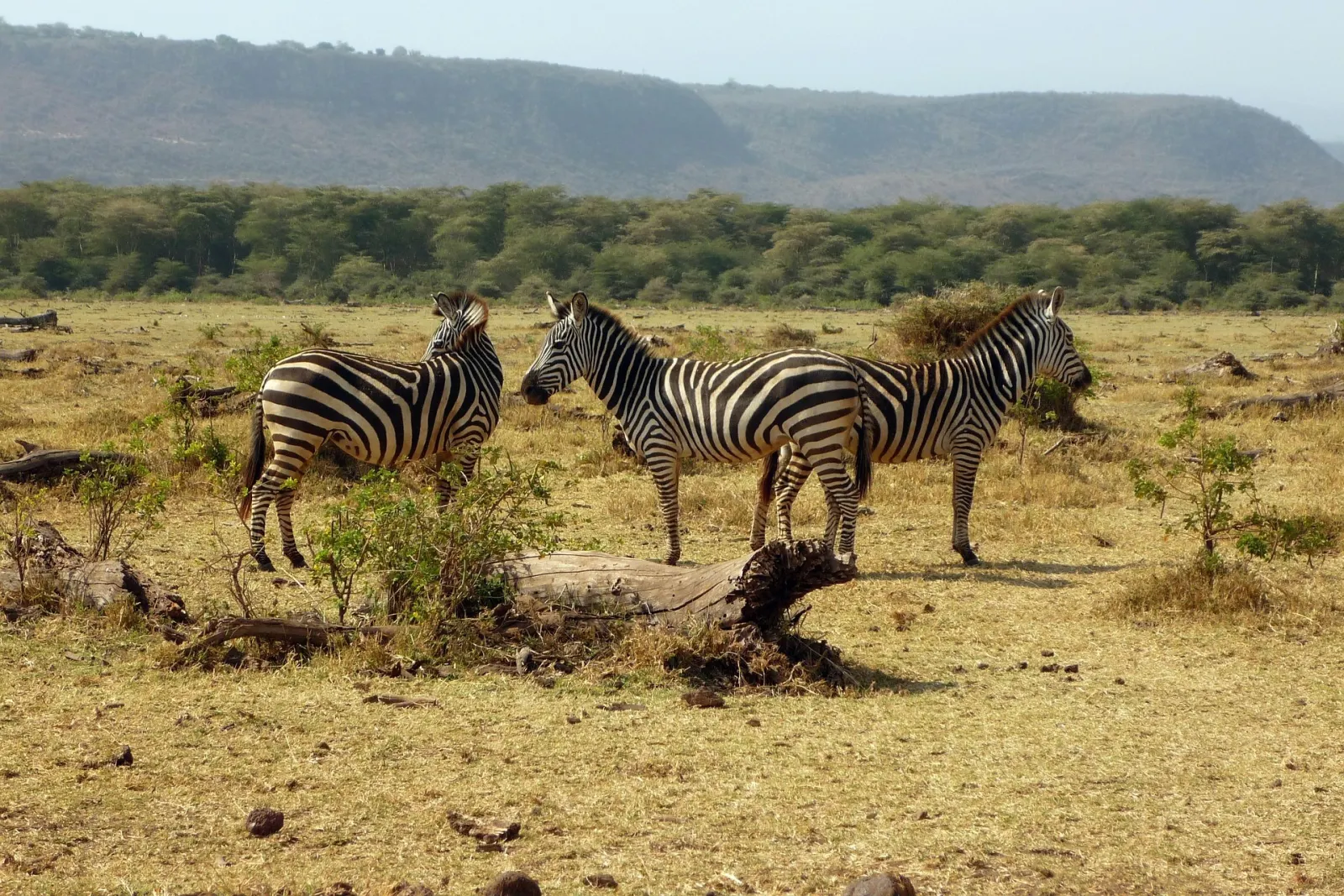
Days are sunny and pleasantly warm, while early mornings and evenings can be cold, especially in the Ngorongoro highlands. The landscape turns golden and dusty as the season progresses. Mosquitoes are less common than in the wet months.
Why wildlife viewing is so good
As water sources dry up, animals concentrate along permanent rivers and around waterholes. Thinner vegetation makes it easier to spot predators. Tarangire National Park is a highlight, with some of the largest elephant herds in Africa gathering along the Tarangire River. The Ngorongoro Crater offers superb, concentrated wildlife, and the central Serengeti is excellent for big cats.
The Mara River crossings
From July to October the migrating herds are in the northern Serengeti, where they cross the Mara River. Crossings are unpredictable but spectacular, with crocodiles waiting in the water and predators on the banks. Read our Great Migration month-by-month guide for more.

Kilimanjaro and Zanzibar
The dry season is also one of the best times to climb Kilimanjaro, with stable weather and clear skies. Zanzibar is dry and sunny, making it easy to combine a safari with a climb or a beach holiday.
Crowds and prices
July and August are the busiest months, with school holidays in many countries. Rates are at their highest and the best camps are booked months in advance. June, September and October are slightly quieter while still offering excellent wildlife viewing. Private vehicles and well-located camps help you avoid the busiest areas.
Sample dry season itinerary
- Day 1: Arrival in Arusha
- Days 2–3: Tarangire National Park
- Day 4: Ngorongoro Crater
- Day 5: Central Serengeti
- Days 6–8: Northern Serengeti near the Mara River
- Day 9: Fly to Arusha or Zanzibar
What to pack
Warm layers for early mornings, a hat, sunglasses and sunscreen, a scarf or buff for dust, and a dust cover for your camera.
Our planning tip
Book six to twelve months ahead for July and August, especially for camps in the northern Serengeti. If your dates are flexible, consider June or October for a quieter experience with almost the same wildlife.
Walking and night drives
The dry season is also the best time for walking safaris, as the grass is short and visibility is good. In some areas outside the national parks, such as the concessions around Tarangire, night drives offer the chance to see nocturnal animals like bushbabies, genets and aardvarks. These activities add variety to classic game drives and give you a closer connection with the bush.
Families in the dry season
The dry season suits families well, with fewer mosquitoes and reliable sightings. Book family rooms early.
Frequently asked questions
When is the dry season in Tanzania?
Generally from June to October.
Is the dry season the best time for a safari?
It is excellent for game viewing, but it is also the busiest and most expensive period.
Is it cold on safari in the dry season?
Mornings and evenings can be cold, especially at Ngorongoro, so bring warm layers.
Are there fewer mosquitoes?
Yes, mosquitoes are less common, but malaria precautions are still recommended.
Which park is best in the dry season?
Tarangire, the Ngorongoro Crater and the northern Serengeti are all outstanding.
Ready to start planning? Tell us your dates and interests and our Arusha team will design a private itinerary for you, or browse our safari itineraries.
Recommended tours


Zanzibar Culture and Safari, 3 Days
Beach Holiday Book now


Every traveller is different. Let our experts craft a custom itinerary that matches your travel style and expectations.
Let's get started