

Central Serengeti (Seronera) Safari Guide
The central Serengeti, around the Seronera River valley, is the heart of the park and one of the best places in Africa to see big cats. Permanent water sources keep wildlife in the area all year round, so whatever the season, a safari here rarely disappoints.

Big cat country
The Seronera River is lined with sausage and acacia trees, where leopards often rest during the day. Lions are found on the surrounding plains and kopjes, the granite outcrops that rise from the grasslands. Cheetahs hunt on the open plains to the south and east. Your guide will listen to reports from other guides and read the landscape to find them.
Year-round wildlife
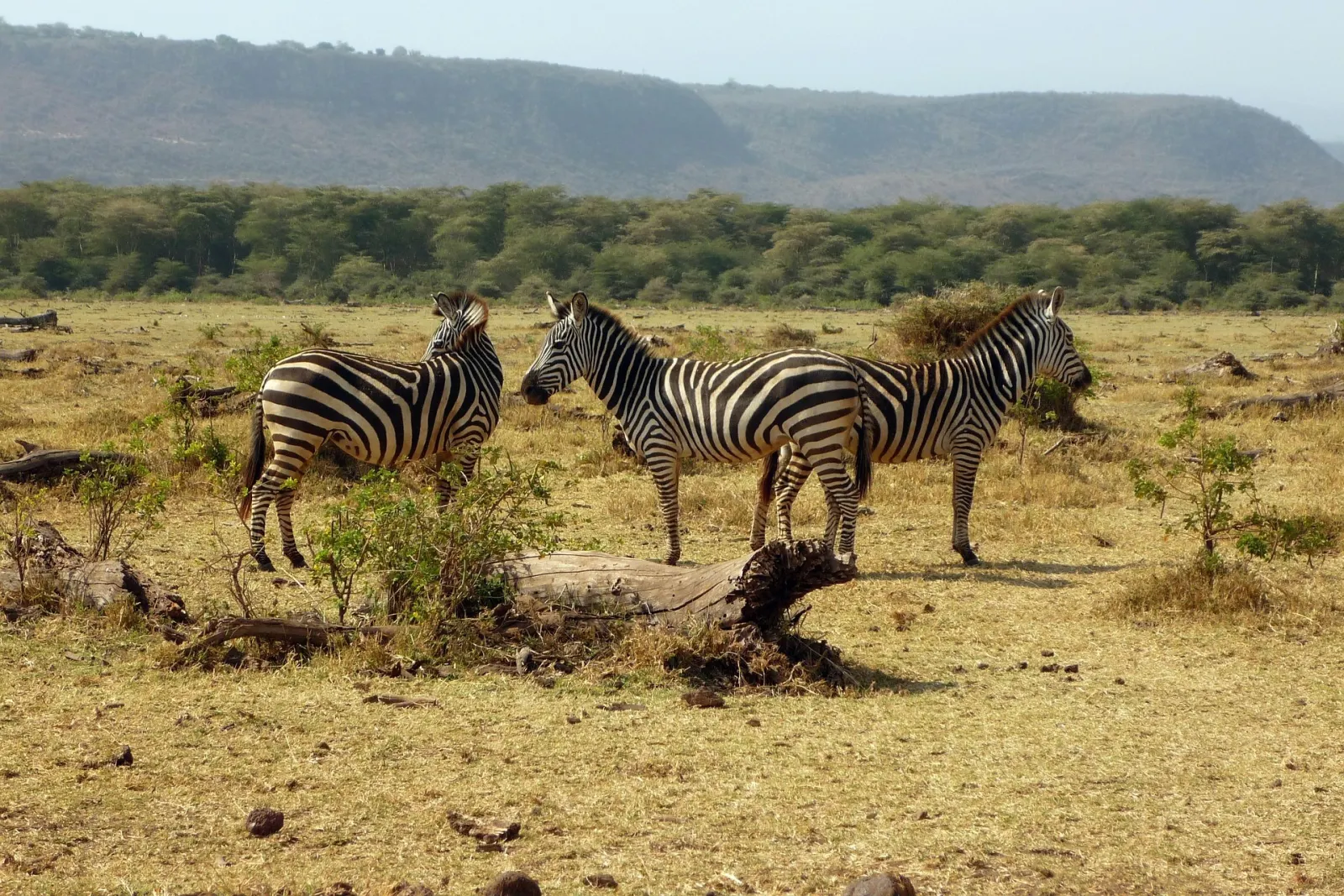
Thanks to the river, the central Serengeti supports large resident populations of buffalo, giraffes, elephants, hippos, topi, impala and Thomson's gazelles. The Great Migration usually passes through the area in April and May on its way north, and again in November on its way south, bringing huge numbers of wildebeest and zebra.
The kopjes
Kopjes such as the Moru Kopjes and the Simba Kopjes are islands of rock and vegetation in a sea of grass. They provide lookouts for lions, shelter for klipspringers and hyraxes, and are among the most beautiful places in the park. At Moru, the Gong Rock and ancient Maasai rock paintings are reminders of the area's history.

Getting there
The central Serengeti is about six to eight hours by road from Arusha, usually via Lake Manyara or the Ngorongoro highlands. The Seronera airstrip has daily scheduled flights from Arusha, Kilimanjaro and Zanzibar.
Where to stay
There is a wide range of lodges and tented camps in the central Serengeti, from comfortable mid-range options to luxury camps. Its central location makes it an ideal base for exploring different areas of the park.
Hot-air balloon safaris
The central Serengeti is the main area for hot-air balloon flights. Read our balloon safari guide to find out more.
How long to stay
We recommend at least two nights in the central Serengeti, and three if you want time to explore the kopjes and follow big cat sightings. Combine it with the north or south depending on where the herds are.
Best time to visit
The central Serengeti is excellent all year. The dry season from June to October offers easy game viewing as animals gather near the river. April, May and November bring the Migration herds through the area. The green season is quieter, with lush landscapes and newborn animals.
A typical day in Seronera
Most days start with an early game drive as the predators are most active, followed by breakfast in the bush or back at camp. After a midday rest, the afternoon drive continues until sunset. Your guide will plan each day around the latest sightings, often following a leopard or lion pride over several drives.
Visitor centre and history
The Serengeti Visitor Centre near Seronera has informative displays about the ecosystem, the Migration and the park's history, along with a short nature trail where you can see hyraxes and lizards on the rocks. It is a good place to stretch your legs during a midday break, and it helps you understand the landscape you are exploring.
Frequently asked questions
Is the central Serengeti good year-round?
Yes, it has permanent water and resident wildlife throughout the year.
Where can I see leopards in the Serengeti?
The Seronera River valley is one of the best areas for leopard sightings.
Can I fly to the central Serengeti?
Yes, there are daily scheduled flights to the Seronera airstrip.
How many nights do I need?
Two to three nights is ideal.
Ready to start planning? Tell us your dates and interests and our Arusha team will design a private itinerary for you, or browse our safari itineraries.
Recommended tours


Zanzibar Culture and Safari, 3 Days
Beach Holiday Book now


Every traveller is different. Let our experts craft a custom itinerary that matches your travel style and expectations.
Let's get started